
Winter is Unforgiving.
Learn to plan and execute a winter hike safely — and know exactly what to do when things go wrong.
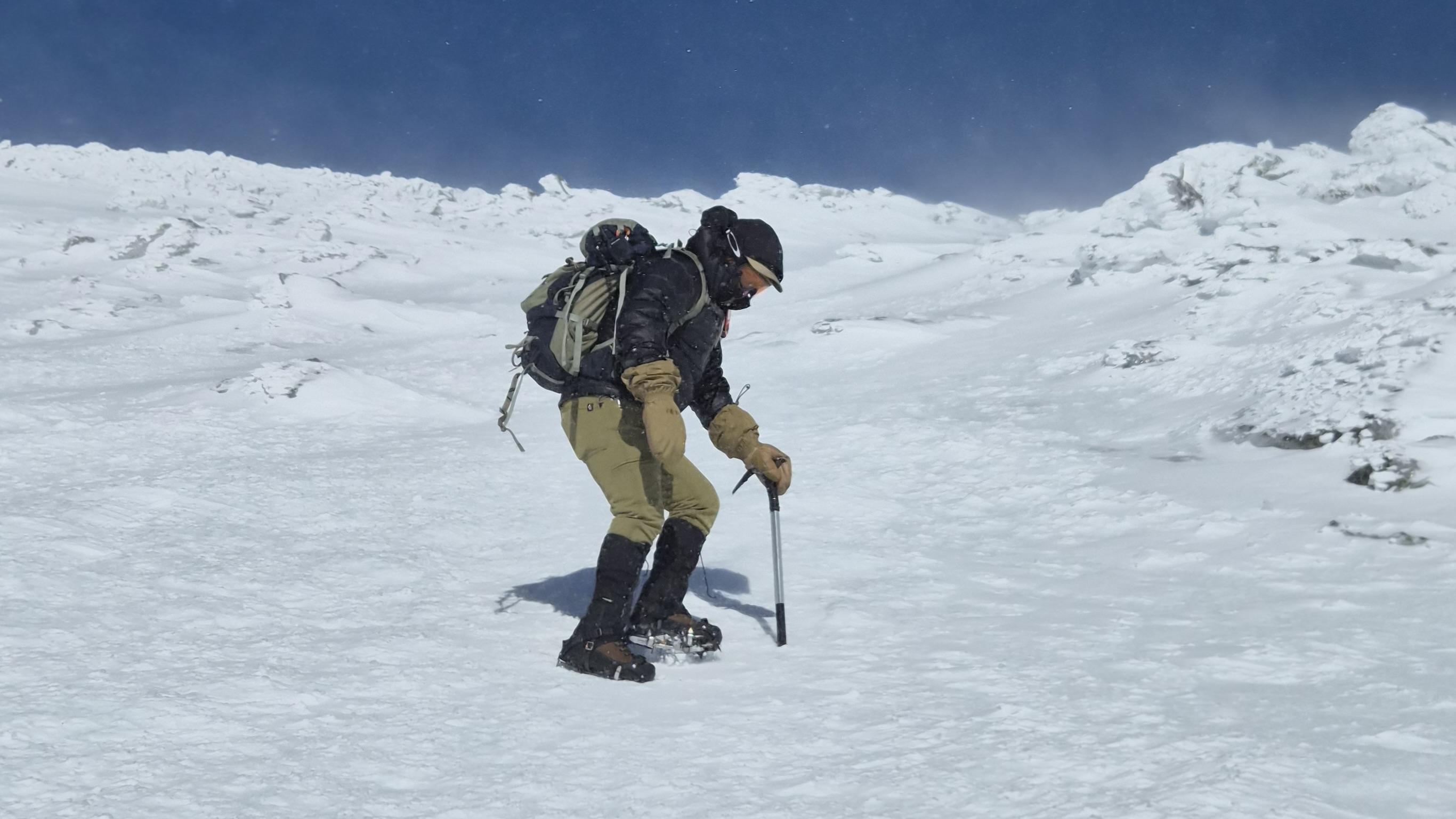
Above treeline on Mt. Washington, NH. This is where preparation meets reality.
Lifetime access · 7-day money-back guarantee
When the temperature drops, everything changes.
The gear is different. The risks are different. And your margin for error gets a lot smaller.
Your water freezes before you reach the summit. You get caught above treeline as the weather rolls in. You start feeling warmer — which sounds good, until you realize that's a sign your core temperature is dropping, not rising.
Three-season skills won't carry you through those moments.
Winter-specific skills will.
The Prepared Winter Hiker
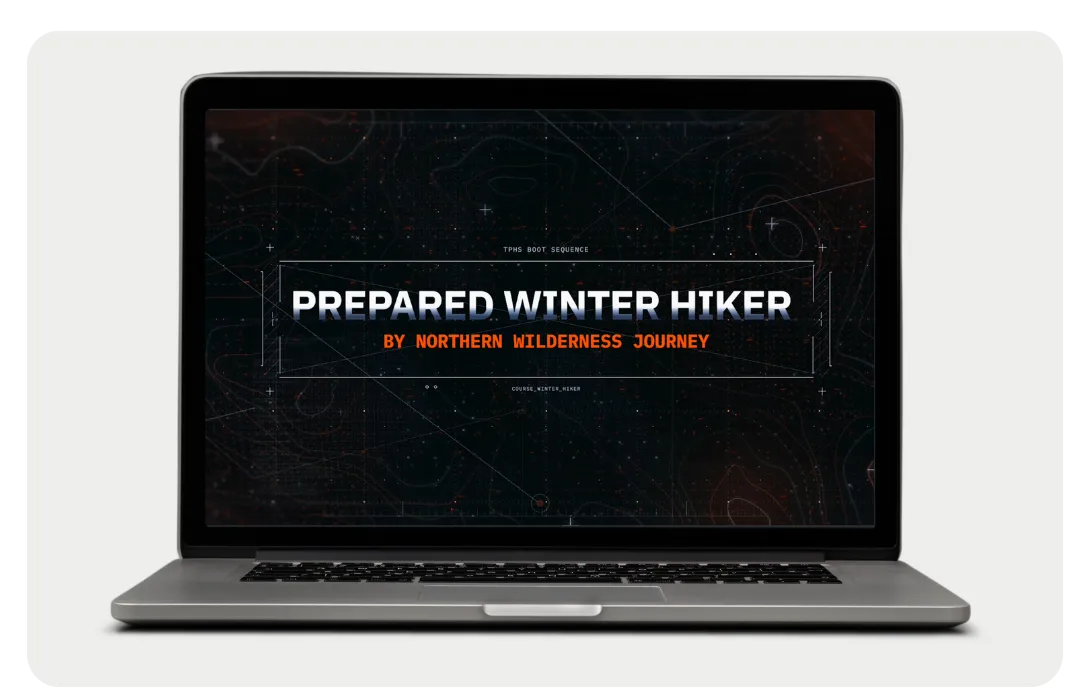
A complete online course for hikers who want to take on cold-weather trails with confidence — and handle it when the day turns.
Winter hiking is one of the most rewarding things you can do outdoors. Fewer people on the trail. Snow-covered summits. A silence you don't get any other time of year.
It just asks more of you than summer does.
This course gives you what it asks for.
By the end, you'll be able to:
Build a winter gear system that works — layering, footwear, snowshoes, crampons, microspikes, and how to keep your water from freezing
Plan a winter hike properly — read winter forecasts, assess real trail conditions, and build a plan that accounts for what winter actually throws at you
Manage yourself on the trail — clothing systems, breaking trail, monorail, and knowing which traction to put on your feet and when
Handle it when things go wrong — build a tarp shelter in snow, get a fire going in winter conditions, and survive an unexpected night out
Recognize and treat hypothermia — in yourself and in the people you're hiking with
Know when to turn back — the decision that keeps you alive more often than any piece of gear
Lifetime access. Come back and review before every winter hike.
What's inside:
Module 1: Introduction
What makes winter hiking categorically different — and how to build the right mindset before you ever leave the trailhead.
What does it mean to be prepared?
Understanding the risks of winter
Module 2: How to Plan a Winter Hike
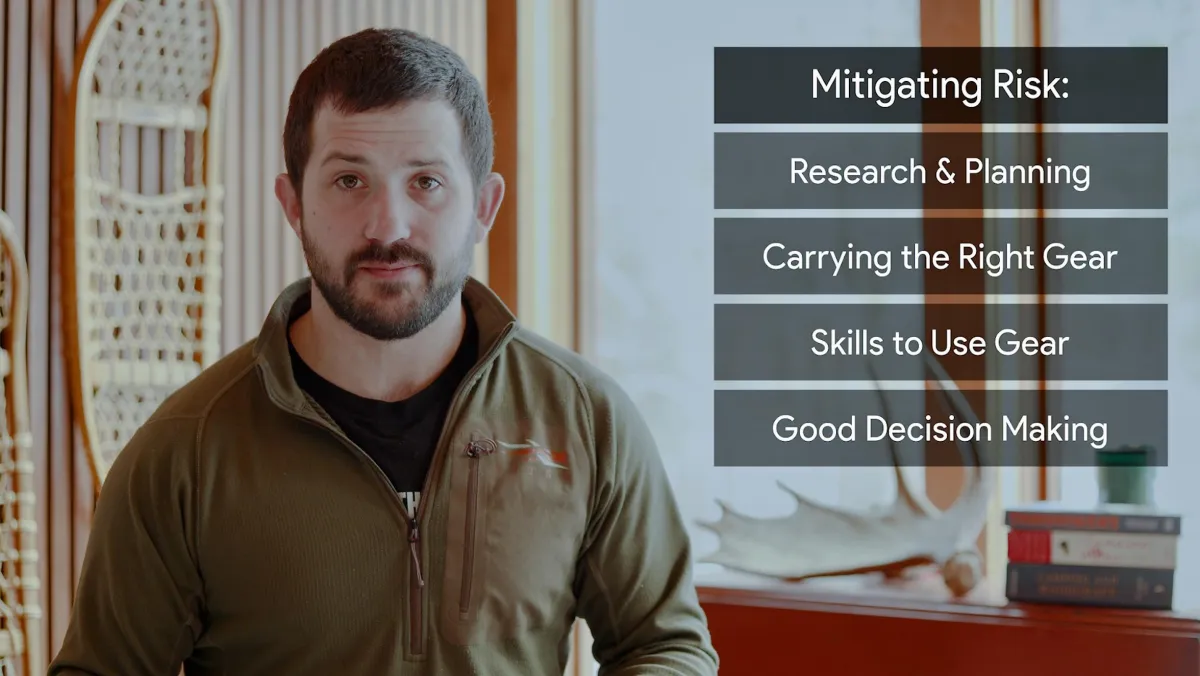
Build a plan that accounts for what winter actually throws at you
How to read winter weather forecasts
How to assess current trail conditions.
Module 3: Winter Hiking Gear
The complete winter gear system
Layering our clothing system
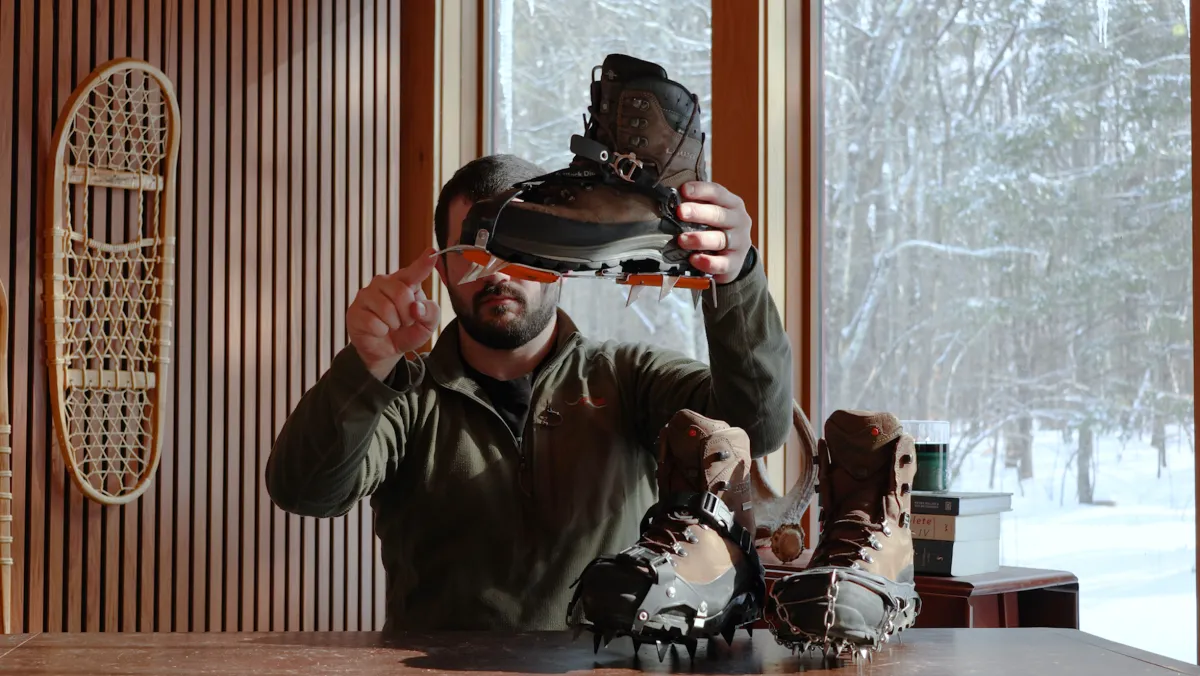
Footwear, snowshoes, crampons & microspikes
How to keep your water liquid
Navigation, communication & signaling gear
Winter survival gear & more
Module 4: Winter Trail Skills
Managing your clothing system
When to use snowshoes vs crampons vs microspikes
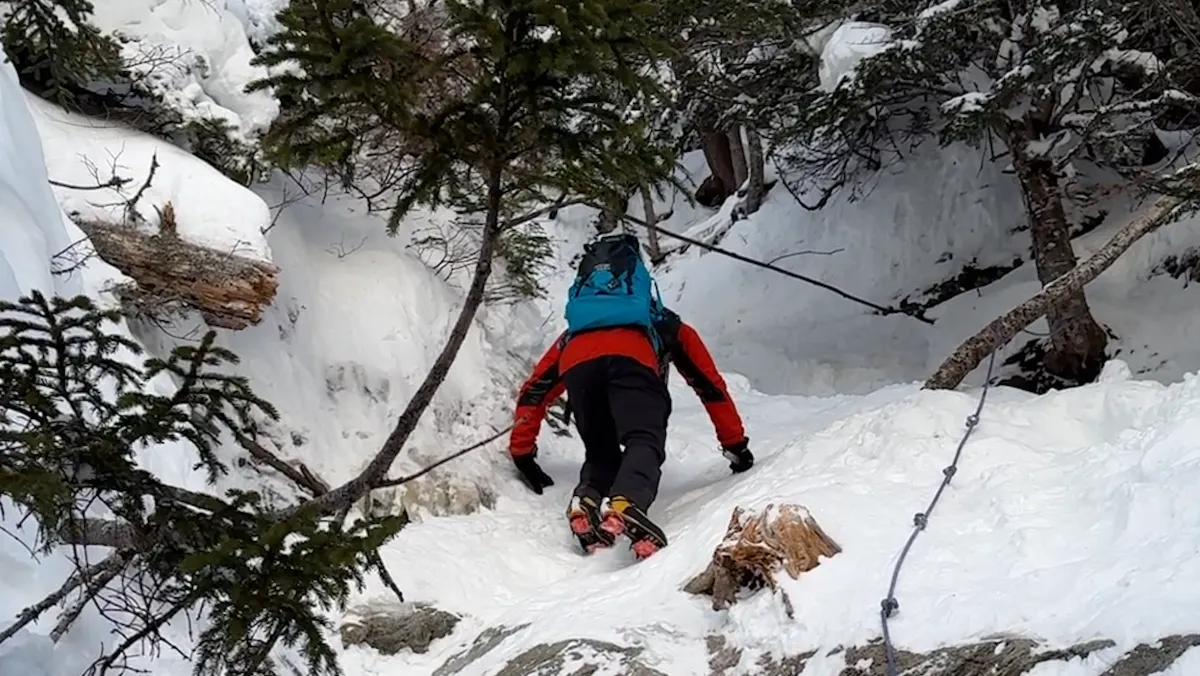
How to deal with: breaking trail, monorail
How to read winter weather
Module 5: Winter Survival Skills
The skills most hikers hope they'll never need - but can't afford not to have:
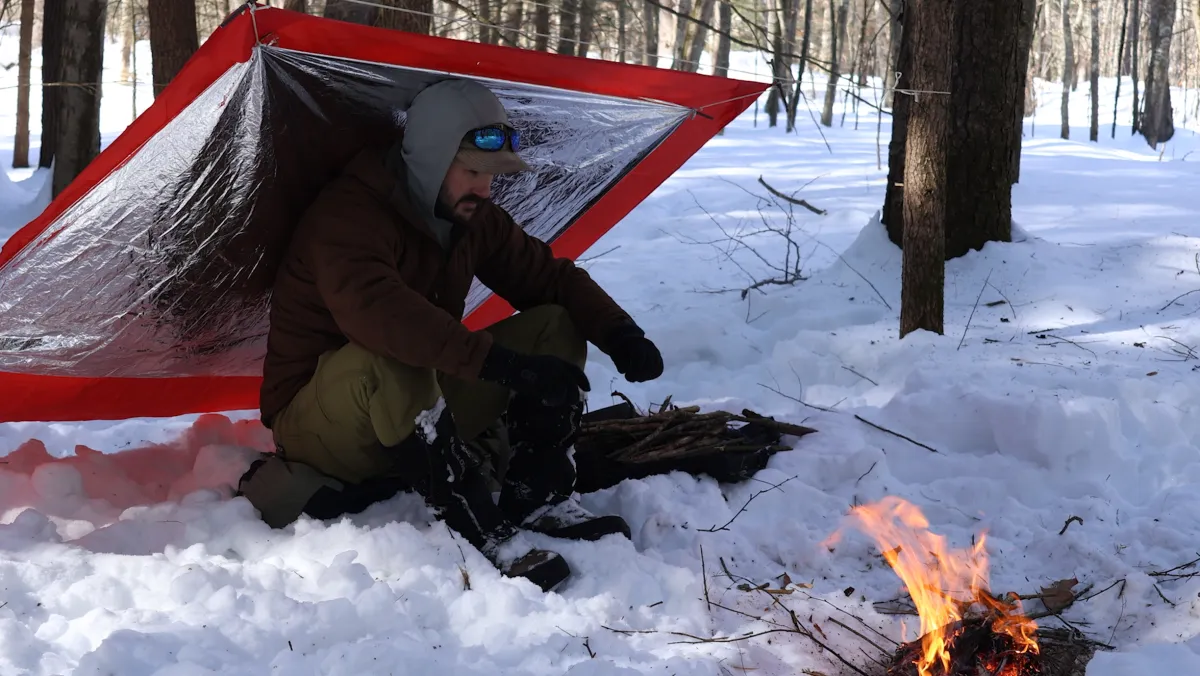
How to build a tarp shelter in the snow
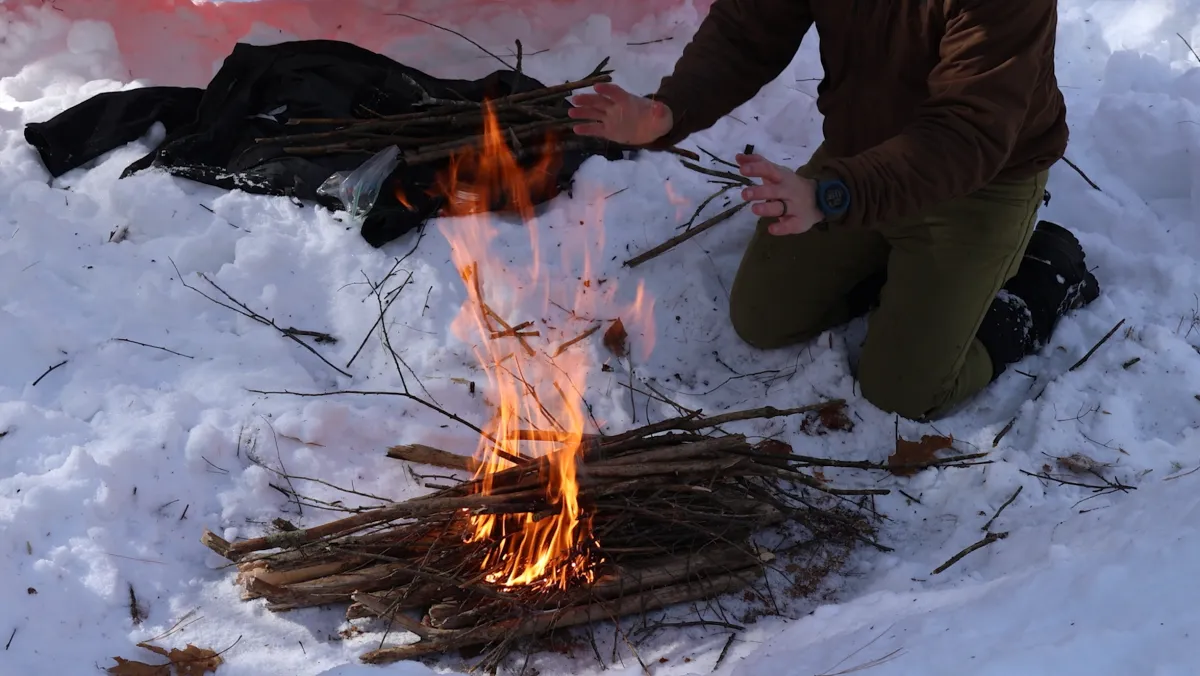
How to build a fire in winter conditions
How to sleep in the field without a proper sleep system
Module 6: Contingency Planning
The most common mistakes winter hikers make
When to turn back
How to diagnose and rewarm someone with hypothermia
What to do if you're caught out overnight - in the woods & above treeline
This module alone is worth the price of the course.
Lifetime access · 7-day money-back guarantee
Hypothermia doesn't announce itself.
As your core temperature drops your brain stops working clearly. You make bad decisions. You feel warmer than you are. By the time most people realize something is wrong, they're already in serious trouble.
This course teaches you to prevent it — and handle it if it happens.
Managing your core body temperature isn't one lesson in this course. It's a thread that runs through every single module — from choosing the right gear in Module 3 to building a fire in the snow in Module 5.
This is for you if:
You want to hike in winter and you want to do it safely
You already hike in winter, but you've never formally learned the skills behind it
You want to know what to do if a winter day goes sideways
You'd rather learn this in your living room than on a ridge in a whiteout
This probably isn't for you if:
You're looking for technical mountaineering — ice axes, roped travel, and glacier work are a different discipline
You want someone to tell you which jacket to buy and nothing else
You're not willing to practice what you learn before you need it
"Can't i just figure this out on my own?"
You could. But the most common mistakes winter hikers make aren’t obvious until you’re already in trouble. This course walks you through exactly what goes wrong and how to prevent it — before you’re standing on a ridge in a whiteout trying to figure it out.
"I only hike in winter occasionally."
That’s exactly who this is for. Occasional winter hikers are statistically more at risk than regular ones because they don’t build the pattern recognition that comes from repeated exposure. One course, once, gives you a foundation that stays with you every time you go out.
Lifetime access · 7-day money-back guarantee

Is there a guarantee?
Absolutely! If you are not completely satisfied with the Prepared Winter Hiker within 7 days, contact us for a full refund. No questions asked.
